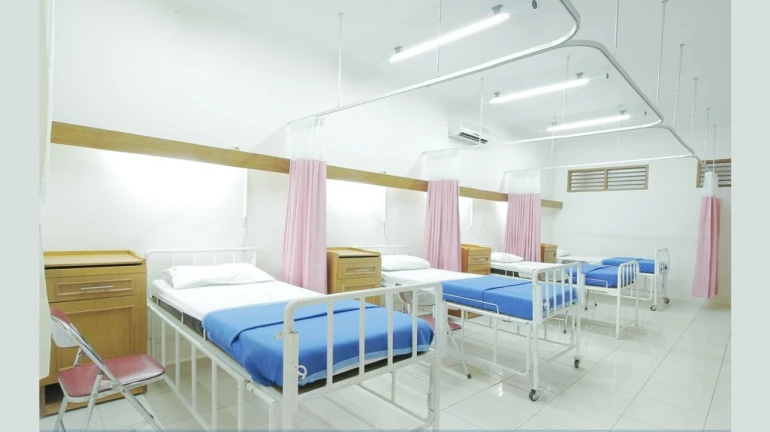


A shortage of beds at the BMC-run MW Desai Hospital in Malad has raised concerns over the treatment of patients suffering from mosquito-borne diseases, including dengue and malaria.
The hospital administration has acknowledged that limited inpatient capacity is forcing some patients to seek treatment at higher-level healthcare facilities.
Gautam Chafa, 62, reportedly tested positive for Plasmodium vivax, a parasite that causes malaria. According to a report by Mumbai Mirror, he was not admitted to MW Desai Hospital because beds were unavailable and was advised to approach a higher-level healthcare facility. It remains unclear whether he subsequently secured admission elsewhere.
In a separate incident, 29-year-old Manisha Rajak, who was six to seven months pregnant and suffering from dengue symptoms, reportedly arrived at the hospital with a high fever, severe muscle and joint pain, and a headache. With no beds available, her husband, Sunil, took her to Jogeshwari Trauma Hospital at their own expense.
The hospital reportedly has 39 general beds, all occupied, while its 10 ICU beds were also full. The medical superintendent, Dr Pradnya Malgudkar, attributed the pressure on capacity largely to monsoon-related illnesses, particularly dengue, with some patients experiencing critically low platelet counts.
The hospital reportedly had only one BMC ambulance, which was attending to another patient at the time. An additional ambulance had been requested through the 108 emergency service.
Doctors have highlighted the risks associated with dengue during pregnancy, including foetal distress, pregnancy loss and premature delivery. Gynaecologist Dr Nandita Palshetkar, a former president of the Federation of Obstetric and Gynaecological Societies of India (FOGSI), has reportedly encountered cases involving pregnant women with dangerously low platelet counts.
One patient’s platelet count fell to around 30,000, while another pregnancy involving twins resulted in the intrauterine death of one twin. These cases underline the importance of timely treatment and close monitoring.
According to BMC data reported on October 7, 2026, Mumbai recorded 7,422 malaria cases between June and September, compared with 5,144 during the same period in 2025. Dengue cases declined to 2,941 from 3,356 a year earlier.
Although dengue numbers have fallen, mosquito-borne infections continue to place pressure on healthcare services.
Questions remain about the medical assessments conducted, the reasons for referral and the arrangements made for further treatment in the reported cases. Clear referral procedures, ambulance availability and coordination between public hospitals are essential to ensure continuity of care when beds are unavailable.
The incidents have renewed concerns about the capacity of civic hospitals to manage seasonal surges in illness and provide timely treatment to patients requiring urgent medical attention.


 Share
 Tweet