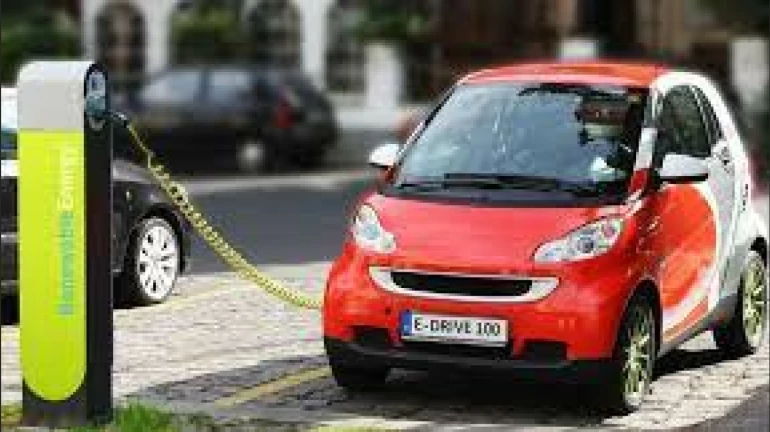


Mumbai’s electric vehicle (EV) population has crossed the 77,000 mark, with 77,196 electric vehicles registered in the city, reflecting the steady shift towards cleaner mobility. Maharashtra, meanwhile, has emerged as India’s second-largest state in terms of registered electric vehicles, with around 11.5 lakh EVs on its roads.
The latest figures, released around World EV Day on September 9, highlight the growing adoption of electric mobility across Mumbai and Maharashtra. The data also shows that electric two-wheelers continue to dominate the state’s EV fleet, while electric cars are gradually gaining ground.
Of the 77,196 electric vehicles registered in Mumbai, 40,086 are e-bikes, making them the largest category. The city also has 30,137 e-cars, while the remaining vehicles fall into other electric vehicle categories.
The numbers indicate that electric two-wheelers are playing a major role in Mumbai’s transition towards sustainable transportation. At the same time, the sizeable number of electric cars points to increasing consumer interest in cleaner personal mobility.
Maharashtra currently has approximately 11.5 lakh registered electric vehicles, placing it second among Indian states.
Uttar Pradesh leads the country with around 18 lakh EVs, while Karnataka ranks third with approximately 9 lakh electric vehicles.
Electric two-wheelers account for the overwhelming majority of Maharashtra’s EV fleet. The state has around 9.6 lakh e-bikes, while the number of electric cars has crossed 1 lakh. Other electric vehicle categories make up the balance.
The available RTO-wise data shows a significant concentration of electric vehicles across Mumbai’s major transport jurisdictions.
Andheri has the highest combined number of e-BOVs and pure EVs, with 11,553 e-BOVs and 8,836 pure EVs. Together, these account for 20,389 electric vehicles in the area.
The figures for other major RTO jurisdictions are:
The RTO-wise numbers underline the growing presence of electric mobility across different parts of Mumbai, with both electric two-wheelers and four-wheelers contributing to the overall increase.
Maharashtra is continuing to promote electric mobility through purchase incentives and subsidies, which are expected to play an important role in encouraging consumers to switch from conventional vehicles to EVs.
A transport analyst from the Mumbai Mobility Forum said stronger purchase incentives and subsidies could further support EV adoption. Lower battery manufacturing costs could also help bring down the overall price of electric vehicles, particularly electric cars, making them more affordable for a wider section of consumers.
Battery costs remain an important factor in determining EV prices. A reduction in manufacturing costs could therefore improve affordability and potentially accelerate demand for electric cars.


 Share
Share Tweet
Tweet