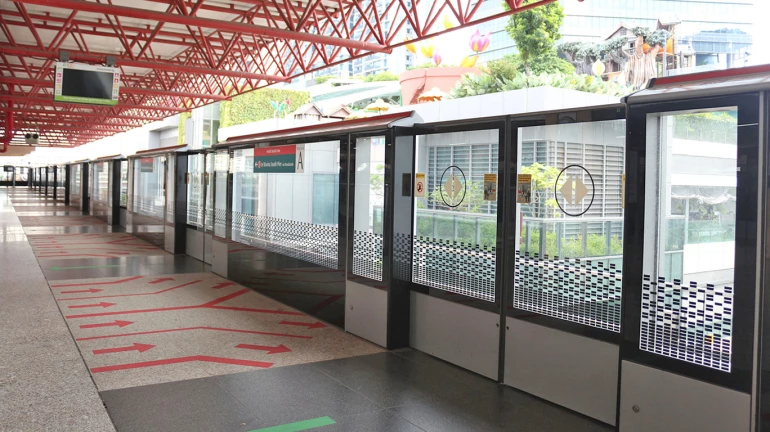


As Mumbai Metro network continues to expand, the Mumbai Railway Vikas Corporation (MRVC) has launched a major initiative to create a seamless multimodal transport system by integrating suburban railway stations with existing and upcoming Metro corridors across the Mumbai Metropolitan Region (MMR).
The corporation has initiated the process of appointing a consultant to identify key railway-Metro interchange stations and prepare Detailed Project Reports (DPRs) for phased infrastructure upgrades. The objective is to make passenger transfers quicker, safer, and more convenient for the nearly 7–8 million commuters who rely on Mumbai's suburban railway network every day.
As part of the project, the appointed consultant will carry out detailed field surveys, passenger flow analyses, and technical assessments at suburban railway stations connected to, or expected to connect with, Metro lines.
The study will evaluate existing station infrastructure, including:
Based on these findings, the consultant will recommend engineering solutions, prepare cost estimates, and develop implementation schedules while ensuring minimal disruption to railway operations during construction.
A key objective of the initiative is to create a "zero-friction" interchange experience, reducing walking distances and easing congestion between suburban railway stations and Metro corridors.
The proposed improvements include:
To ensure long-term infrastructure readiness, MRVC will use advanced pedestrian simulation models to forecast commuter movement up to 2031 and 2041. These simulations will help identify future congestion points and guide infrastructure planning before capacity constraints emerge.
The study will also recommend the adoption of modern passenger convenience measures, including:
The consultant will identify the most critical interchange stations requiring immediate attention and prepare Detailed Project Reports covering engineering designs, project costs, implementation strategies, and execution timelines.
Additionally, the study will review multimodal integration provisions already included in Metro project DPRs to ensure railway and Metro infrastructure evolves as a coordinated transport network rather than as standalone systems.
Once completed, the study will provide MRVC with a scientific, data-driven roadmap for implementing multimodal integration projects in short, medium, and long-term phases. The prioritisation will be based on passenger demand, operational feasibility, safety, and overall commuter convenience.
MRVC Chairman and Managing Director Vilas Sopan Wadekar said that Mumbai's transport planning must move beyond simply expanding infrastructure and focus on creating an integrated mobility ecosystem.
He said the study will adopt a scientific and data-driven approach to identify practical engineering solutions that improve passenger circulation, enhance accessibility, reduce congestion, and strengthen connectivity between suburban rail and Metro services across the Mumbai Metropolitan Region.
With Metro expansion accelerating across Mumbai, the initiative is expected to play a crucial role in delivering seamless, efficient, and commuter-friendly public transport for millions of daily passengers.


 Share
Share Tweet
Tweet