

The Brihanmumbai Electric Supply and Transport (BEST) Workers’ Union has launched an indefinite hunger strike in mumbai on August 18, demanding action on several long-standing issues involving employees, wet-lease workers and retired staff.
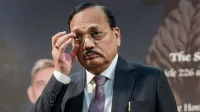
The protest began at 11.30 am at the union office near Kennedy Bridge in Opera House. Union general secretary Shashank Sharad Rao said the agitation would continue until the workers’ demands are addressed.
The union has raised several issues concerning wages, employee benefits and the financial stability of BEST. Its major demands include:
The latest agitation follows months of unresolved discussions over employee salaries, retirement benefits and BEST’s financial position.
The union maintains that interim financial relief offered to employees earlier this year does not substitute for a comprehensive wage settlement. Workers are also seeking a permanent solution to the financial challenges facing BEST rather than temporary assistance.
The hunger strike comes less than two months after BEST employees ended a three-day strike in June, which disrupted bus services across Mumbai. The earlier protest was called off after discussions with Maharashtra government representatives.
At the time, the government announced an interim monthly increase of ₹3,000 for permanent BEST employees and ₹2,000 for workers employed by wet-lease operators. It also assured workers that pending gratuity payments would be addressed during the financial year.
However, the union has continued to press for final wage agreements and resolution of other outstanding demands.
BEST’s financial condition remains at the centre of the dispute between the undertaking, its employees and the civic administration.
For the 2026–27 financial year, the BMC budget provided a grant of ₹1,000 crore to BEST, while the undertaking had sought around ₹4,000 crore in financial assistance.
BEST has projected a loss of approximately ₹2,439 crore for 2026–27 and has argued that greater and more consistent financial support is required to maintain its operations and protect its own bus fleet.
The workers’ union has therefore called for a long-term financial arrangement with the BMC, arguing that stable funding is essential for the undertaking’s future as well as the interests of its employees.
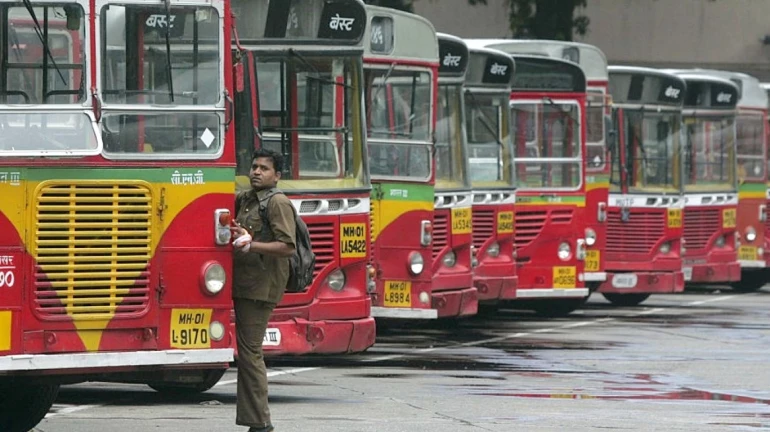
BEST remains a crucial part of Mumbai’s public transport network. The undertaking currently operates around 2,800 buses, although only a small portion are owned directly by BEST, with the remainder operating through wet-lease arrangements.
BEST has proposed adding thousands of electric buses to its fleet, including 5,000 electric buses for its own fleet and another 1,500 e-buses through wet-lease operations.
With the hunger strike beginning on Tuesday, commuters could face disruptions if the protest escalates or receives wider participation from BEST employees.
The union has said that the indefinite agitation will continue until concrete action is taken on its demands.


 Share
Share Tweet
Tweet