

The issue has come up as the pre-monsoon survey of dangerous buildings enters its final stage. The Mumbai Building Repairs and Reconstruction Board is expected to publish a list of highly dangerous buildings next week. After this, the major challenge will be vacating these structures.
Currently, the board has only around 500 transit camp tenements available for relocation. However, the number of residents requiring rehabilitation is expected to be much higher. Once the transit accommodation runs out, affected residents are likely to be offered INR 20,000 per month as rent assistance.
Residents, however, have rejected this option. They argue that there is no clarity on how long the rent will be provided or when they will receive permanent homes after vacating their buildings. Many fear that once they leave their houses, there is no guarantee of redevelopment or return.
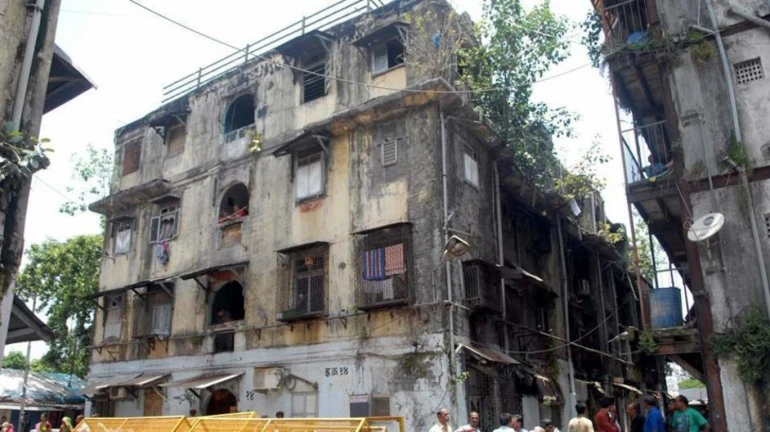
South Mumbai alone has an estimated 13,000 cessed buildings, many of which are in a highly dilapidated condition. Every year, dangerous structures are identified before the monsoon and residents are shifted to transit camps. However, relocation efforts often face resistance due to uncertainty over rehabilitation timelines.
Several residents have reportedly been living in transit camps for 30–40 years without receiving permanent homes, further increasing mistrust in the system. With limited transit housing and growing numbers of unsafe buildings, the situation is expected to become more difficult this year.
MHADA officials said that once the 500 transit tenements are exhausted, the INR 20,000 monthly rent scheme will be implemented. However, they admitted that no resident has accepted this option so far.
Residents insist that redevelopment is the only viable solution. They argue that rent in South Mumbai has already risen sharply, with even a one-room apartment costing around INR 30,000 per month, making the proposed assistance insufficient.
They also questioned the lack of clarity on redevelopment timelines, asking how long they would be required to live in rented accommodation and when permanent rehabilitation would be completed.
Resident representatives said that without a clear redevelopment plan and legal assurance, they cannot agree to vacate their homes. As a result, shifting residents from highly dangerous buildings is expected to remain a major challenge for authorities this year as well.
Also Read: Mumbai Local News: Major Drop in Mira-Bhayandar Train Ridership After Metro Line 9 Launch


 Share
Share Tweet
Tweet