

Mumbai is witnessing a significant increase in cases of Plasmodium falciparum malaria, one of the most severe forms of the disease. Data from the Brihanmumbai Municipal Corporation (BMC) health department shows that reported cases rose from 375 in 2015 to 2,382 in 2025 — an increase of 535.2%.
The proportion of P. falciparum infections among Mumbai’s total malaria cases has also climbed sharply, from 5.5% in 2015 to 25.3% in 2025.
BMC officials have linked the increase partly to expanded testing. However, testing rose by 32.3% during the same period, from 14,28,265 tests in 2015 to 18,89,012 in 2025, raising questions about whether increased testing alone explains the rise.
Dr Mahendra Jagtap, state entomologist, said the increase has been observed in the post-Covid period and attributed part of the trend to labour migration from eastern India and Chhattisgarh. Mumbai’s mosquito-friendly environment and the presence of Anopheles mosquitoes also contribute to continued malaria transmission.
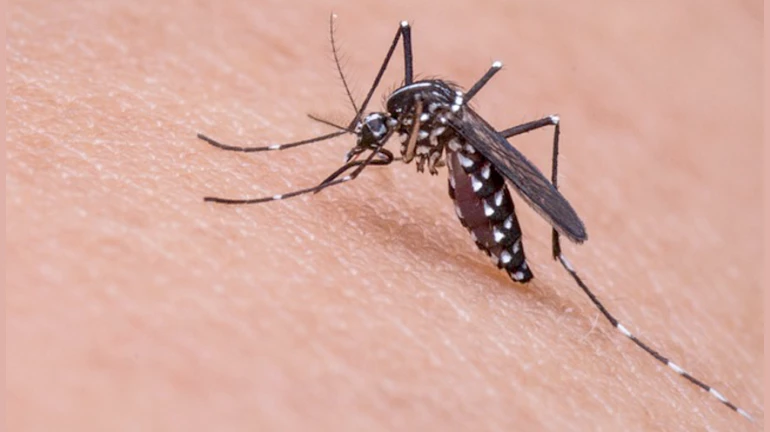
Plasmodium falciparum is a malaria-causing parasite transmitted through the bite of an infected female Anopheles mosquito. It is considered the most dangerous malaria parasite because infections can progress rapidly and affect vital organs.
The parasite infects red blood cells, which can adhere to the walls of small blood vessels and interfere with blood flow. The brain, kidneys and other organs can be affected in severe cases.
Early symptoms may include fever, chills, headache, body aches, weakness, sweating, nausea, vomiting and loss of appetite. Because these symptoms can resemble other infections, including dengue, parasite-based testing is important.
Doctors warn that delaying treatment can increase the risk of complications. One Mumbai resident, Nitesh Dhide, 39, said his father’s recent symptoms were initially mistaken for an ordinary fever. He also developed dark urine, but the warning sign was not recognised immediately.
According to the World Health Organization (WHO), untreated P. falciparum malaria can progress rapidly to severe disease. Complications may include cerebral malaria, seizures, severe anaemia, breathing difficulties, low blood sugar, jaundice, kidney failure, abnormal bleeding and circulatory collapse. Severe cases can result in multiple-organ failure.
Young children, pregnant women, people with HIV/AIDS and those without acquired immunity are particularly vulnerable to severe malaria.
Malaria can be confirmed through blood-smear microscopy or rapid diagnostic tests. For uncomplicated P. falciparum malaria, WHO recommends artemisinin-based combination therapies. Severe malaria requires urgent medical treatment and may require intravenous antimalarial medicines.
Health experts advise people with persistent fever, chills or other suspected malaria symptoms to seek medical evaluation promptly rather than relying solely on over-the-counter medicines.


 Share
Share Tweet
Tweet