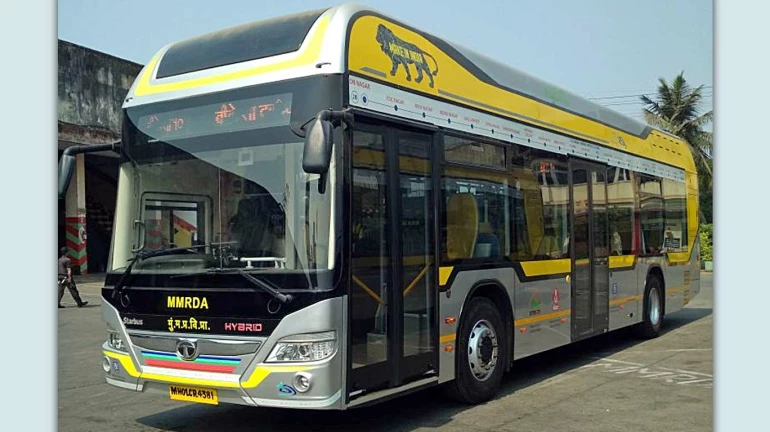


A substantial expansion of Mumbai’s public transport system has been outlined following the issuance of a new national tender for electric buses. Under the proposed plan, approximately 1,500 electric buses are expected to be allocated to Mumbai, positioning the city as a major beneficiary of the government’s ongoing push towards clean and sustainable urban mobility.
The tender has been floated by Convergence Energy Services Limited, which operates under Energy Efficiency Services Limited. As per the tender framework, a total of 6,230 electric buses are proposed to be deployed across five Indian cities—Mumbai, Pune, Delhi, Ahmedabad, and Hyderabad. Among these, Mumbai has been allotted the second-highest number of buses, reflecting the scale of its public transport requirements.
It has been specified that the buses earmarked for Mumbai would be introduced through a wet lease model. Under this arrangement, procurement, operation, maintenance, staffing, and charging infrastructure would be managed by the selected private operators. Payments are to be disbursed on a per-kilometre basis, encompassing vehicle costs, manpower, maintenance, and charging operations. This model has been positioned as a means to ensure efficiency while limiting capital expenditure for transport authorities.
The initiative has been undertaken as part of the Union government’s PM E-Drive Scheme, which aims to accelerate the adoption of electric vehicles through incentives and structured procurement mechanisms. The scheme has placed particular emphasis on electric buses, given their potential impact on emissions reduction and urban mobility.
Confidence in the current tender has been shaped by outcomes from earlier bidding rounds conducted in 2025. During those exercises, quotations were reported to be significantly lower than anticipated, with most participating firms meeting technical eligibility requirements. It has been indicated that similar competitive conditions are being leveraged again to drive cost efficiency through scale.
Provisions aimed at ensuring long-term operational reliability have also been included. The tender document mandates advance notice prior to the discontinuation of spare parts, allowing authorities to plan bulk procurement and avoid service disruptions. The bid submission deadline has been fixed for March 10, while timelines for deployment are expected to extend into the latter half of the year, subject to manufacturing readiness.
The proposed induction comes against the backdrop of a shrinking city bus fleet. The Brihanmumbai Electric Supply and Transport undertaking currently operates significantly fewer buses than it did over a decade ago. Transport officials have repeatedly projected the need for a much larger fleet to improve service frequency and strengthen last-mile connectivity to the expanding metro network.


 Share
Share Tweet
Tweet