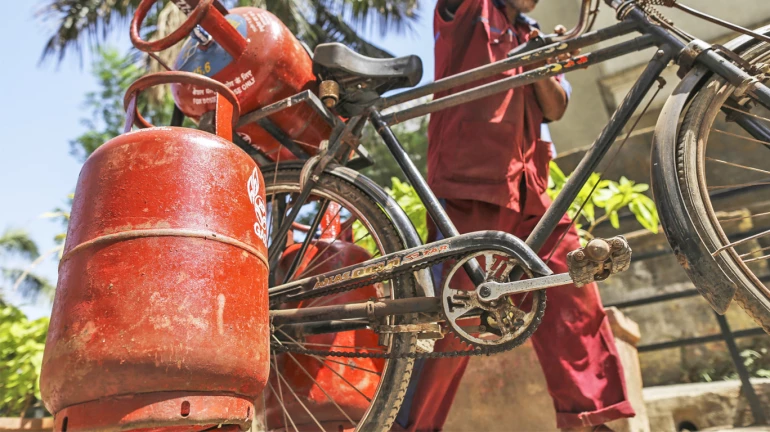


A significant shift in fuel distribution policy has been proposed in Maharashtra, where LPG cylinder usage is planned to be phased out in select urban regions within the next three months. The move has been positioned as part of a broader transition toward piped natural gas (PNG), which is being promoted as a safer, more efficient, and cost-effective alternative. The announcement was made by State Food and Civil Supplies Minister Chhagan Bhujbal following a high-level meeting held in New Delhi. The meeting was attended by Union Ministers Manohar Lal Khattar, Hardeep Singh Puri, and Prahlad Joshi, where strategies to enhance gas accessibility and streamline supply systems were discussed.
It has been indicated that metropolitan areas with established PNG infrastructure will be prioritised in the initial phase. The transition is intended to reduce reliance on traditional LPG cylinders and to promote a more modern gas distribution network. The benefits of PNG, including improved safety and lower costs, have been highlighted as key drivers behind the policy direction.
In addition to the proposed phase-out, regulatory changes are being considered. It has been suggested that PNG connections may be made mandatory for newly constructed buildings, similar to essential utilities such as water and electricity. Such a requirement is expected to facilitate faster adoption and integration of piped gas systems across urban developments. However, it has been clarified that LPG cylinders will continue to be supplied in smaller cities and rural areas where PNG infrastructure has not yet been developed. This dual approach is aimed at ensuring that no region faces disruption in access to cooking fuel during the transition period.
The policy shift has also been influenced by broader concerns related to global fuel supply chains. Ongoing geopolitical tensions have impacted energy availability, prompting authorities to strengthen domestic distribution systems. Measures have been outlined to prevent black marketing of LPG cylinders and to maintain adequate supply levels. As part of contingency planning, decentralised kerosene distribution has been initiated. Supplies are being made available through fuel stations operated by major public sector oil companies, ensuring accessibility during periods of uncertainty.
Overall, the transition toward PNG has been presented as a long-term structural reform in Maharashtra’s energy distribution framework. While implementation challenges are anticipated, the initiative is expected to reshape urban fuel consumption patterns and align with evolving infrastructure and sustainability goals.


 Share
Share Tweet
Tweet