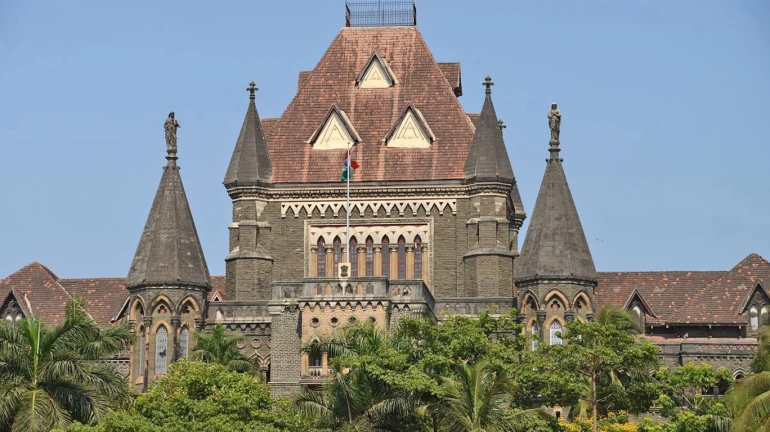


Serious concern over deteriorating air quality in the Mumbai Metropolitan Region was expressed by the Bombay High Court, as strong warnings were issued to civic authorities over persistent failures in pollution control. Observations were made during hearings related to a suo motu public interest litigation initiated in 2023, along with multiple intervention applications prompted by worsening air quality conditions.
The Navi Mumbai Municipal Corporation was sharply criticised after an affidavit was submitted by a city engineer instead of the municipal commissioner, contrary to court directions. This procedural lapse was described as a breach of judicial orders, and it was remarked that such conduct could warrant suspension. The comment was later clarified as a warning intended to reinforce accountability at the senior administrative level.
Displeasure was also conveyed with respect to the Brihanmumbai Municipal Corporation, which was found to have failed in demonstrating effective pollution-control outcomes. Although compliance with prescribed measures was claimed, the court noted that statutory duties relating to air quality management had not been adequately fulfilled. It was indicated that similar coercive measures could be extended to BMC officials if progress remained unsatisfactory.
Submissions placed before the bench highlighted that air pollution had emerged as the most urgent civic challenge facing the region. On behalf of the environmental organisation Vanashakti, it was argued that administrative inertia would persist unless personal responsibility was fixed. The adoption of hyper-local air monitoring systems was suggested to enable precise identification of pollution sources.
Further inputs were provided by the amicus curiae, Darius Khambata, who informed the court that a five-member expert committee had identified 36 pollution-prone locations within weeks. It was observed that such swift assessment had occurred only after judicial intervention, raising questions about earlier administrative inaction.
Additional concerns were raised regarding discrepancies between officially reported AQI data and figures appearing in the media, along with the absence of a graded response action plan. The risk of Mumbai slipping into a pollution crisis comparable to Delhi was highlighted. While the civic administration denied inconsistencies and cited adherence to standard protocols, the court described these responses as inadequate. Attention was also directed toward poor enforcement of existing measures, including the installation of monitoring devices at construction sites. Directions were issued for submission of month-wise air quality data, and the role of the Maharashtra Pollution Control Board was questioned in terms of regulatory oversight.


 Share
Share Tweet
Tweet