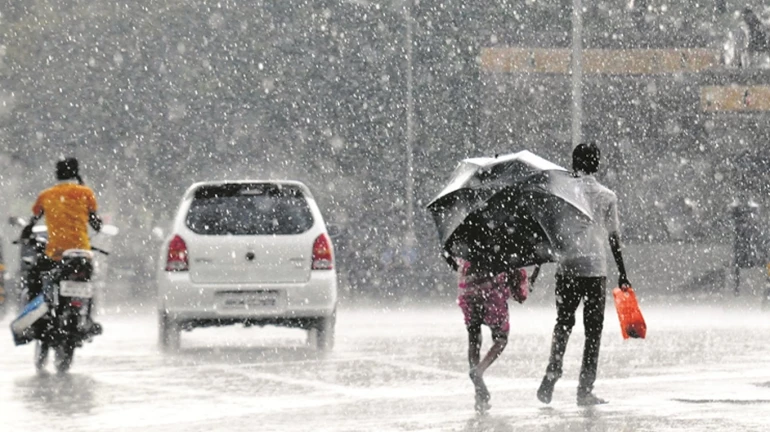


H1N1 (swine flu) and malaria cases have surged in Mumbai this monsoon, while infections such as dengue, chikungunya, leptospirosis and COVID-19 have declined, according to BMC data.
Between June and August 2026, Mumbai recorded 441 H1N1 cases, up from 62 during the same period last year — a 612% rise. Malaria cases increased 20.1%, from 3,733 to 4,485.
The BMC is screening suspected H1N1 patients and providing oseltamivir where required. Close contacts are being monitored for 10 days, while door-to-door surveys are underway in affected areas. Civic hospitals have also reserved beds, ventilators, medicines and PPE kits for patients requiring hospitalisation.
Malaria has also emerged as a major concern this monsoon, with cases increasing in several parts of the city.
The wards reporting higher malaria incidence include:
As part of its malaria-control programme, the BMC inspected 52,197 potential mosquito breeding sites. Anopheles mosquito breeding was detected at 8,055 locations.
The civic body has increased field inspections and monitoring in areas reporting higher malaria transmission.
Several infections recorded a decline compared with last year:
The BMC has also stepped up its efforts to prevent the spread of dengue and other mosquito-borne diseases.
Officials inspected 12,55,469 potential mosquito breeding sites for dengue, including water storage containers, tyres, planters, scrap material and other locations where stagnant water can collect.
Aedes mosquito breeding was detected at 27,352 sites.
The civic body also removed 1,807 discarded tyres and 59,841 scrap items from rooftops and other premises to reduce potential breeding grounds.
Although leptospirosis cases have declined overall, the BMC has identified some wards where infections are being reported more frequently. These include F-North Ward (Wadala), M-East Ward (Govandi), T Ward (Mulund), K-East Ward (Andheri East) and G-North Ward (Dharavi and Matunga).
Higher gastroenteritis activity has been observed in L Ward (Kurla), H-West Ward (Bandra West), K-West Ward (Andheri West), N Ward (Ghatkopar) and H-East Ward (Khar).
The BMC has intensified disease surveillance and field-level monitoring in areas where monsoon-related infections are being reported.
Maharashtra has also reported a rise in H1N1, with 1,109 cases recorded by August 21, already exceeding the 942 cases reported during all of 2025. Mumbai and Pune account for around 65% of the state's cases.
The ICMR has said the circulating H1N1 virus is not a new strain and has been present since 2025. Authorities have urged people to remain alert but not panic.


 Share
Share Tweet
Tweet