

With the onset of the southwest monsoon approaching, MMRDA has initiated an extensive, multi-tier monsoon preparedness and emergency-response framework on operational metro corridors and ongoing metro along with infrastructure projects. Special focus has been placed on Metro Lines 2A, 7, 2B, and 9.
MMRDA has directed detailed inspections of station waterproofing systems, platform drainage infrastructure, traction substations, viaduct drainage arrangements, and overhead equipment vulnerability zones before commencement of heavy rainfall activity.
Operational SOPs for passenger communication, emergency speed restrictions, and monsoon response management are also being upgraded and integrated into metro operations.
Considering that Metro Lines 2B and 9 will experience their first operational monsoon this year, MMRDA has ordered dedicated Monsoon Readiness Audits for both corridors, covering drainage systems, structural vulnerability assessments, and operational safety preparedness.
The Authority has also directed emergency mock drills, hospital tie-ups, IMD alert integration, and formal pre-monsoon inspections across all construction packages before the onset of the monsoon. Dedicated media monitoring and rapid-response communication teams are additionally being deployed for real-time coordination and public information management during the monsoon period.
As part of the preparedness framework, all contractors executing metro and engineering works have been directed to submit mandatory Site-Specific Monsoon Preparedness Plans (SMPP) by as per decided timeline. The plans must include detailed provisions for dewatering systems, slope protection, waterproofing, labour safety, emergency material inventory, flood-risk mitigation, and emergency-response protocols linked directly with MMRDA’s Emergency Control Room.
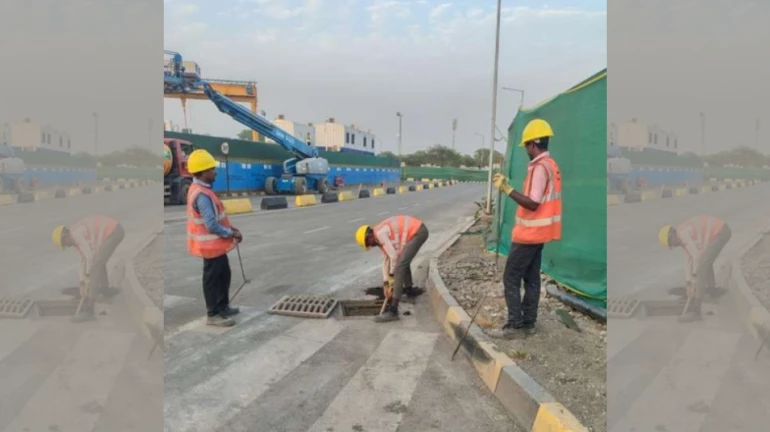
To strengthen on-ground preparedness, all executing agencies have been instructed to deploy dedicated emergency-response teams at project sites during the monsoon period, along with adequate-capacity dewatering pumps, pothole-repair vehicles, barricading safety systems, emergency lighting arrangements, and drainage clearance mechanisms. Contractors have also been directed to clear debris, repair damaged drains and footpaths, secure reinforcement structures against high winds, and ensure that all electrical systems are tested to prevent monsoon-related hazards.
MMRDA has additionally directed all contractors and consultants to suspend high-risk construction activities (like Girder launching) during IMD and municipal Red Alert conditions and ensure that labour camps located in flood-prone areas are relocated before the peak monsoon period. The Authority has also mandated continuous CCTV surveillance and real-time site monitoring during the season.
The major preparedness and safety measures include:
• Deployment of project-wise Emergency Response Teams comprising engineers and labour personnel for immediate response during emergencies.
• Mobilisation of adequate-capacity dewatering pumps in vulnerable locations for rapid drainage of accumulated rainwater.
• Deployment of pothole-repair vehicles for immediate road restoration wherever required.
• Cleaning and desilting of storm-water drainage systems before onset of monsoon.
• Sealing of barricading-board bottoms and removal of barricades from completed stretches to improve vehicular movement and public safety.
• Priority clearance of debris and construction waste from all project locations.
• Repair of damaged drains and road dividers before monsoon.
• Completion of piling and pile-cap works before monsoon wherever feasible, with mandatory barricading and safety protection.
• Strict compliance protocols for all monsoon-period piling and pile-cap activities.
• Reinstatement and protection of external pits to ensure safe working conditions.
• Completion of asphalt and PQC restoration works above pile-cap locations before heavy rainfall.
• Provision of adequate structural supports for pier reinforcements to prevent collapse or instability during strong winds.
• Fogging operations inside casting yards and project areas to prevent mosquito breeding.
• Thorough testing of electrical systems and equipment to minimise electrical hazards during monsoon.
• Tree-trimming activities under supervision of the Garden Cell.
• Repair and restoration of footpaths at required locations for safe pedestrian movement.
24x7 Disaster Control Room:
It will be operational till October 15, 2026, for complaint registration, emergency coordination, and inter-agency communication with organisations including MCGM, Police, State Government departments, and other civic authorities. Dedicated Chief Nodal Officers, divisional nodal teams, and project-specific coordination officers are also being deployed to ensure rapid response and issue resolution during heavy rainfall events. Here are helpline numbers:
Toll Free No: 1800228801
Mobile No: 8657402090
Extended Telephone Nos: 022-6596 4176 / 022-6596 7901
Telephone No: 022-2659 1241
As part of the monsoon readiness deployment across MMRDA projects, executing agencies have mobilised:
across Metro and Engineering Division project sites for emergency response and continuous monitoring during the monsoon season.
Here's What MMRDA and State Govt Says:
Chief Minister Devendra Fadnavis said: “Mumbai and the Mumbai Metropolitan Region face one of the most challenging urban monsoon conditions in the country every year. Therefore, I have directed all infrastructure and civic agencies to ensure maximum preparedness, preventive planning, and rapid-response coordination before the onset of monsoon. MMRDA has accordingly undertaken an extensive preparedness exercise across metro corridors, roads, tunnels, and infrastructure projects to minimise inconvenience to citizens and ensure safety, mobility, and continuity of essential services during the monsoon season. Special emphasis has been laid on accountability, inter-agency coordination, and strict compliance with safety protocols by contractors and executing agencies. The Government of Maharashtra is committed to ensuring that all infrastructure agencies function with preparedness, responsiveness, and public safety as the highest priority.”
Deputy Chief Minister and Chairman MMRDA Eknath Shinde explained, “MMRDA is currently executing some of the country’s largest urban infrastructure projects simultaneously across the Mumbai Metropolitan Region. During the monsoon period, the responsibility of maintaining safe construction zones, smooth traffic movement, drainage readiness, and emergency responsiveness becomes even more critical. Detailed monsoon SOPs and preparedness directives have therefore been issued to all contractors, consultants, and project agencies. Strict monitoring mechanisms have also been established to ensure that there is no compromise on public safety, project-site discipline, or emergency preparedness. Field-level coordination teams, emergency-response systems, and project-wise nodal mechanisms have been activated to ensure immediate response wherever required.”
Dr. Sanjay Mukherjee, IAS, Metropolitan Commissioner, MMRDA, stated: “MMRDA has adopted a comprehensive and decentralised monsoon management approach across all active infrastructure and metro project corridors. Dedicated teams have been assigned for project-level monitoring, emergency coordination, drainage management, operational safety, and interagency response during the monsoon season. Responsibilities have been clearly defined across engineering divisions, metro corridors, operational teams, nodal officers, and regional coordination mechanisms. The Additional Metropolitan Commissioners are supervising preparedness reviews and regional coordination across critical project zones to ensure continuous monitoring and quick decision-making during the monsoon period. We have also mandated contractors and executing agencies to maintain emergency resources, deploy response teams, comply with Site-Specific Monsoon Preparedness Plans, and strictly follow all safety and operational SOPs issued by MMRDA. The Authority will maintain continuous monitoring throughout the monsoon season to ensure timely response and citizen safety.”


 Share
Share Tweet
Tweet