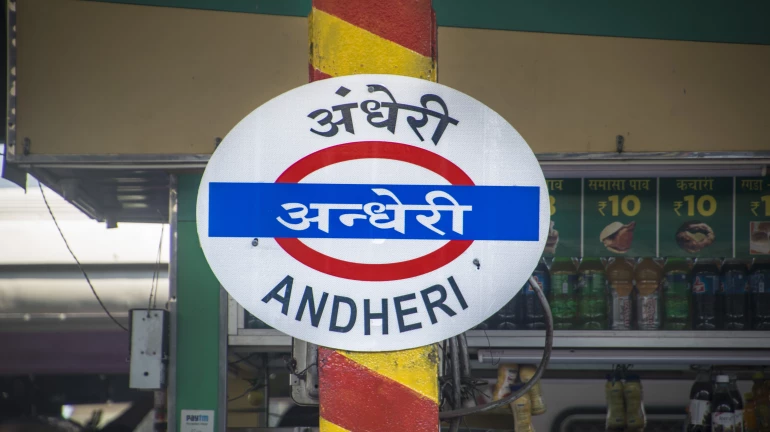


Waterlogging at the Andheri subway is expected to remain unresolved during the upcoming monsoon season, as the Brihanmumbai Municipal Corporation has yet to implement a permanent fix. The subway, which serves as a vital east-west link in Mumbai’s western suburbs, has consistently faced flooding during heavy rains, resulting in repeated closures and commuter inconvenience.
Situated approximately one kilometre from Andheri railway station, the subway is frequently shut during the monsoon due to severe water accumulation. In 2025, it was closed 33 times between June and October, following 35 closures in 2024 and 21 in 2023 during the same period. The pattern reflects the persistent nature of the issue and the lack of a sustainable solution so far.
Authorities have indicated that two possible measures are being explored: diverting the existing drainage network and constructing a holding pond. However, the diversion of drains has been identified as technically challenging due to sharp bends in the system, which disrupt water flow, increase the risk of clogging, and reduce pipeline efficiency. As a result, the construction of a holding pond has emerged as the more viable option.
A holding pond functions as a temporary storage basin for excess rainwater. Water from flood-prone areas is redirected into the pond through pumps and pipelines, where it is stored and later released or pumped out when conditions stabilise. A similar system implemented at Hindmata Junction has significantly reduced waterlogging, offering a potential model for Andheri.
Meanwhile, in related developments, the Navi Mumbai Municipal Corporation has stepped up its monsoon preparedness measures. Commissioner Dr. Kailas Shinde has directed all civic departments and allied agencies to complete ongoing pre-monsoon works by May 15. During a high-level review meeting of the City Disaster Management Committee, it was emphasised that preparedness efforts must adhere to strict timelines and that coordination across departments should be ensured to minimise disruption for citizens during the rainy season.
At the same time, broader weather forecasts indicate a potentially challenging monsoon ahead. Private forecaster Skymet has projected that India may receive below-normal rainfall in 2026, primarily due to the expected impact of the El Niño weather pattern. Rainfall for the June to September season is estimated at 94% of the long-period average of 868.6 mm. The India Meteorological Department is expected to release its official forecast in the coming week, which will provide further clarity on rainfall trends and regional variations.


 Share
Share Tweet
Tweet