As Mumbai prepares for the arrival of the monsoon in less than two weeks, the Brihanmumbai Municipal Corporation (BMC) Commissioner Ashwini Bhide has directed all civic departments to step up preparedness measures across the city.
The focus areas include preventing waterlogging, securing open manholes, and completing roadwork projects before the rains intensify.
During a review meeting at the BMC headquarters, Bhide instructed officials to ensure that every manhole in the city is fitted with protective grills and that none are left open under any circumstances during the monsoon season. The move comes amid growing concern over manhole-related accidents in Mumbai. In 2024, a 45-year-old woman lost her life after falling into an open manhole during heavy rain. Earlier, in 2017, noted gastroenterologist Deepak Amrapurkar also died after falling into an uncovered manhole during flooding in south Mumbai.
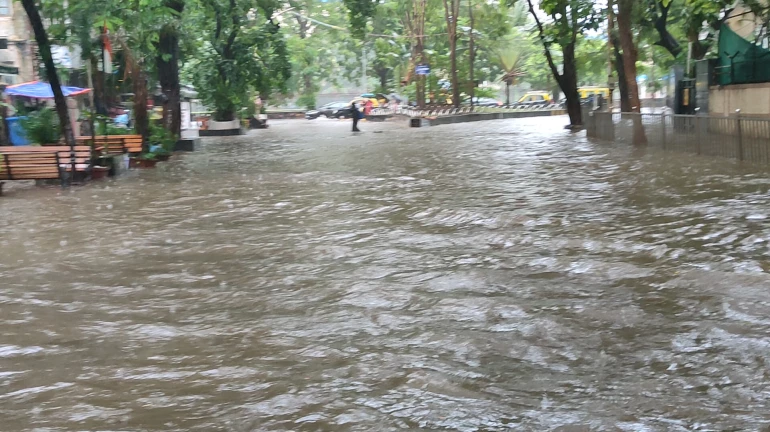
The civic body has identified 496 flood-prone locations across Mumbai this year, an increase from 453 such spots recorded in 2024. These low-lying areas are vulnerable to prolonged waterlogging during moderate to heavy rainfall. According to civic officials, nearly 150 of these spots are located in the island city.
Officials said rapid urban development and large-scale construction activities, especially in south Mumbai, have disrupted natural drainage systems and caused drains to clog with silt and debris. As a result, several areas now experience flooding within a short time after heavy showers. Of the 496 identified locations, work to address flooding has already been completed at 403 spots, while mitigation measures at the remaining sites are still underway.
Bhide also directed departments to keep dewatering pumps and emergency equipment fully operational throughout the rainy season. In addition, she instructed officials to regularly inspect underground utility infrastructure such as drainage lines, water pipelines, and electrical systems, particularly in areas where major infrastructure work is ongoing.
The commissioner further set a May 31 deadline for the completion of all ongoing road concretisation and development works in the city. She emphasised that roads should be repaired uniformly from end to end instead of patchwork construction. In places where concrete roads cannot be completed before the monsoon, officials have been asked to lay durable mastic asphalt roads to ensure smoother and safer traffic movement.
In addition to this, Bhide reviewed the condition of civic healthcare facilities and directed officials to maintain cleanliness and safety standards across all municipal hospitals, maternity homes, health centres, speciality hospitals, and Aapla Dawakhana clinics operated by the BMC. The civic body currently runs over 500 healthcare facilities that collectively serve more than two crore citizens every year.
Officials said the BMC currently has 14,653 hospital beds, with an additional 4,556 beds expected to become available after new hospitals are commissioned. Bhide instructed officials to conduct structural safety audits, carry out timely repairs, maintain uninterrupted water and electricity supply, and strictly follow fire safety norms. She also stressed the need for regular disinfection of hospital toilets and adequate housekeeping and security arrangements.
To improve road safety during the monsoon, the commissioner directed engineers to reinstall speed breakers near schools, hospitals, and sensitive zones. She also asked officials to use thermoplastic road markings, rumble strips, and milling works to ensure roads remain level and free from uneven surfaces.


 Share
Share Tweet
Tweet