

The order came after petitions pointed out a serious shortage of burial space for members of the Christian, Muslim, and Bohra Muslim communities. Although certain plots had been officially reserved for cemeteries in the development plans, they had not been transferred or developed for years.
One of the key plots mentioned in the case is a large parcel of land at Bhayanderpada in Thane district, which had been marked for a combined burial ground and memorial garden. Petitioners alleged delays and complications in making the land available for its intended purpose.
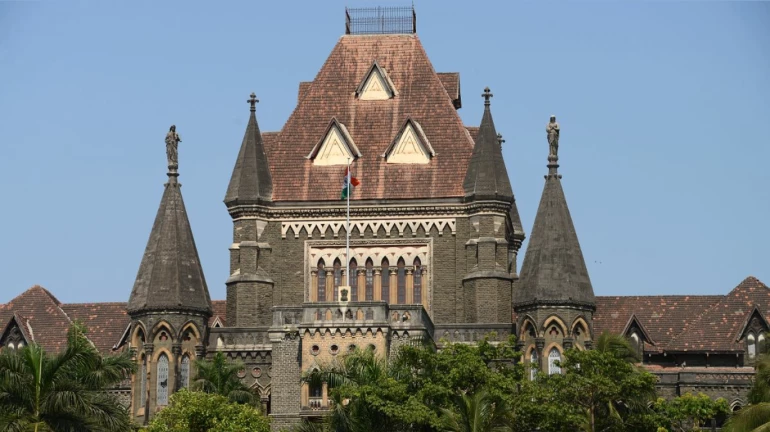
The High Court emphasised that once land is reserved in a development plan for burial use, authorities must ensure it is handed over and developed without delay. The court directed that construction work on the burial grounds should be completed within two years of taking possession of the land.
It further stated that if the reserved land cannot be used due to legal, environmental, or encroachment issues, the government must identify and provide alternative land within three months to address the immediate need.
Also Read: High Court Intervention Ensures Examination Access for Law Student Amid Attendance Dispute


 Share
Share Tweet
Tweet