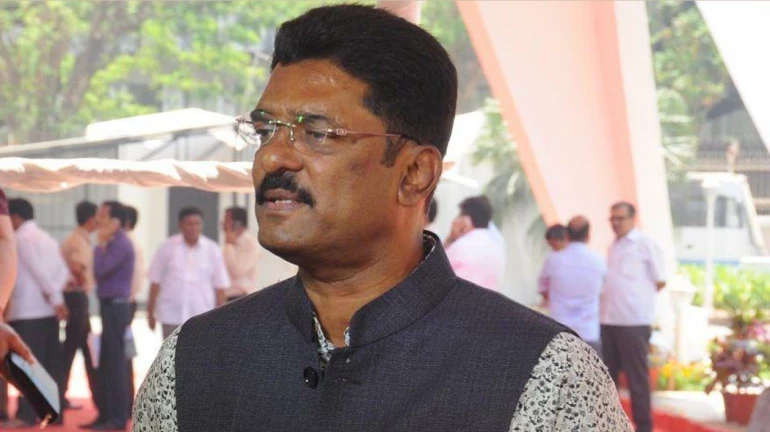


Sarnaik said the state transport department has ordered 200 Volvo buses equipped with advanced safety technology, including a system that prevents the bus from starting if the driver has consumed alcohol.
These buses have special features. If the driver is intoxicated, the vehicle will not start,” Sarnaik explained.
Drivers currently undergo breath analyzer tests before duty, but some may drink during the trip, so this new system is being implemented.
“Smart Buses” with Fatigue Detection
The buses will also feature driver-monitoring technology. If a driver shows signs of fatigue or is found using a mobile phone while driving, an alarm will sound. Of the 200 buses, 30 will be sleeper coaches, while the rest will serve city routes. Sarnaik has termed this fleet “Smart Buses”. Approval from the central government is still pending.
Existing Smart Bus Fleet
Sarnaik noted that the state has already purchased around 8,000 smart buses from Tata, but the alcohol detection system will initially be available only in the Volvo buses.
Addressing Taxi and Auto Refusal
Sarnaik acknowledged that in cities like Mumbai, drivers often refuse short-distance rides.
“About 80–90% of complaints are regarding refusal of short trips by taxi and auto drivers,” he said.
QR Code Complaint System
To tackle this, the government plans to install QR codes in every taxi and auto. Passengers can scan the QR code to view vehicle and driver details and immediately lodge a complaint if refused service.
This system will be similar to methods used in many Western countries,” Sarnaik said.
The system will be managed through the Regional Transport Office (RTO). Passengers can also share their live travel status with the RTO, police, and family, improving safety.
Centralized Complaint Redressal
Complaints registered through the QR system will go directly to the Command and Control Centre, and action will be taken against drivers who violate rules. The system is expected to be implemented within the next three months.
Fuel Supply Challenges
Sarnaik warned that global conflicts affecting fuel supply could impact Maharashtra’s transport sector.
“If fuel supply is disrupted, it will have a major impact on the transport sector,” he said.
The government is also monitoring illegal migrant workers in transport-heavy areas like Mira Road and Bhiwandi. Some drivers reportedly obtained licenses with fake documents, leading to temporary suspensions of certain auto permits associated with aggregator platforms.
Priority for Locals
Moving forward, stricter verification will be applied when issuing permits, with priority given to families of freedom fighters, farmers, and members of the armed forces.
Parking Challenges
Sarnaik noted that Maharashtra lacks sufficient infrastructure to enforce strict parking rules like Singapore or Hong Kong.
“We need underground parking, parking plazas, and truck terminals. Only then can we strictly penalize violations for large vehicles,” he said.
He also mentioned that existing parking towers are underutilized, and public indiscipline remains a major problem.
Also Read: BMC's Standing Committee Defers Gargai Dam Approval, Flags Cost and Environmental Concerns


 Share
Share Tweet
Tweet