



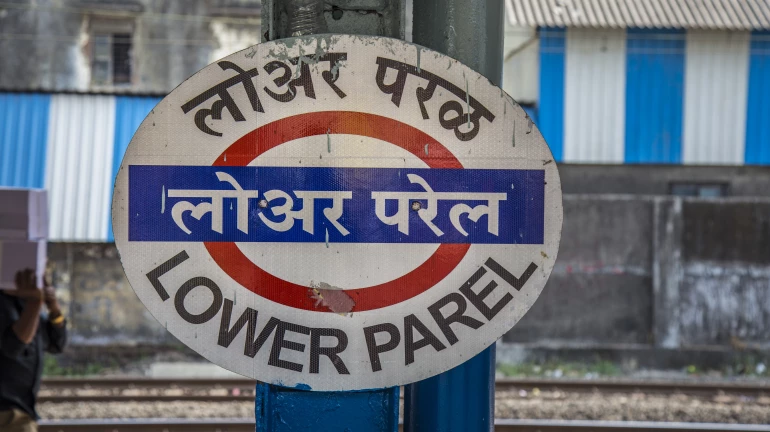


A significant step towards improving sanitation standards in railway coaches has been initiated with plans for Mumbai’s first anaerobic microbial inoculum (AMI) bacteria plant and laboratory at the Lower Parel railway workshop. The facility is being established with the objective of enhancing the performance of bio-toilets installed in express and long-distance trains, while also addressing persistent odour concerns associated with human waste disposal.
The AMI bacteria used in railway bio-toilets was developed by the Defence Research and Development Organisation and has been deployed across Indian Railways for nearly a decade. The bacteria enables human waste to be broken down through anaerobic digestion, a biological process that occurs in the absence of oxygen. Through this mechanism, waste is converted into odourless biogas and water, thereby preventing direct discharge onto railway tracks and improving environmental hygiene.
According to Western Railway officials, the proposed plant will have the capacity to produce approximately 300,000 litres of bacterial liquid per day. Construction of the facility is scheduled to begin in July and is expected to be completed within six months. Once operational, the plant will function as a specialised unit dedicated to cultivating, monitoring, and supplying high-quality bacteria for use in train bio-toilets.
At present, AMI bacteria is sourced from external suppliers located at considerable distances from Western Railway workshops. Due to the bacteria’s limited shelf life, its quality has often been found to decline during transportation. This reduction in effectiveness has been linked to the occurrence of foul odours inside train coaches and along railway tracks, particularly when bio-digestion performance is compromised.
With the establishment of an in-house production unit, quality control is expected to be significantly improved. Officials have indicated that timely availability of fresh bacteria will allow bio-toilets to function as intended, thereby keeping odour levels in check and improving passenger comfort. High-quality bacterial input has been described as essential for maintaining hygiene standards within train toilets.
Currently, bio-digester tanks with a capacity of around 120 litres have been installed in train toilets to prevent untreated waste from being discharged onto tracks. Each tank requires approximately 60 litres of bacteria, which remains active for about 18 months. Periodic replenishment is required, as some bacterial content can be washed away during routine usage.
Western Railway operates more than 1,200 mail and express coaches, all of which rely on this bio-digestion technology. The addition of a local AMI plant and laboratory is expected to streamline maintenance operations, reduce dependency on external suppliers, and strengthen the overall sanitation infrastructure of Indian Railways. The initiative has been positioned as a practical and efficiency-driven measure aimed at delivering cleaner, odour-free travel experiences for passengers.







 Share
Share Tweet
Tweet