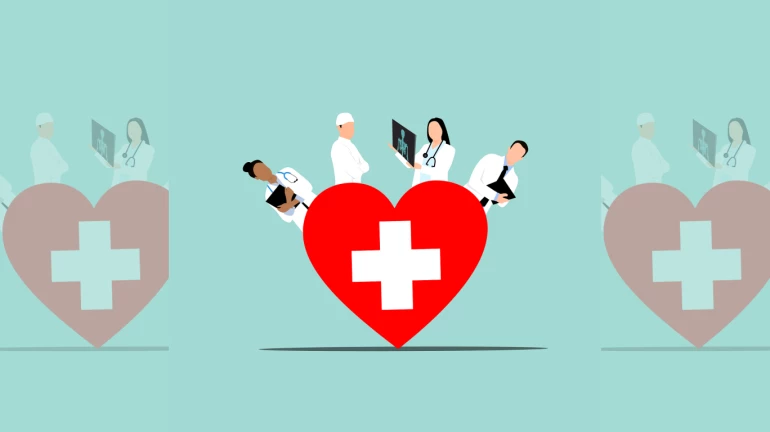


Healthcare is getting increasingly expensive, and that is changing how people manage their money. A simple visit to the doctor or an unplanned trip to the hospital can have a significant impact on even the best-planned household budget. The rising healthcare costs are one of the leading reasons why many families are now looking at purchasing health insurance plans for family as a long-term solution.
Health insurance protects their savings and ensures they have access to quality care when needed. For this reason, people spend considerable amounts of time researching and comparing various health insurance products. Important factors to consider include the structure of the coverage, the specific benefits, and the flexibility - especially with regard to floater health insurance, which provides a cost-effective solution for coverage.
Why Medical Inflation is Changing Family Insurance Decisions
Medical inflation is growing at a higher rate than general inflation. The primary reasons for this are the growing costs associated with treating patients, new diagnostic tools and technologies, and specialisation within medicine. As a result, even short hospital stays can produce a significant bill, and therefore, it is becoming increasingly difficult for individuals to pay for their own healthcare.
The above-mentioned environment has also created an opportunity for families to:
For many households, selecting the family's best health insurance now involves balancing premium costs with realistic healthcare needs across multiple family members.
The Growing Preference for Floater-Based Coverage
One of the most significant effects of increasing healthcare costs is that there has been a growing trend toward purchasing family floater policies. A family floater policy allows one pool of coverage to be utilised by all members covered under the plan. Whereas, with individual policies, the same amount of coverage would have had to be purchased individually for each person covered.
Key advantages of a floater in health insurance include:
In general, family floater health plans are very effective for families that have changing healthcare needs from year to year. Therefore, they provide flexibility in the event of an emergency involving a medical problem.
Impact of Lifestyle Diseases on Family Coverage Needs
The number of lifestyle diseases (such as diabetes, hypertension, and heart disease) in younger age groups is on the rise.
The increased cost of treatment, follow-up visits, and medications contributes to an increasing burden on healthcare spending over a long period.
As a result, many families opt for family floater health insurance, which provides:
This makes family floater medical insurance an important component of your long-term financial planning rather than just a temporary safety net.
Maternity and Childcare Costs Drive Early Insurance Adoption
The increasing cost of maternity, neonatal, and pediatric care has caused an increase in the number of young families who are starting to look at early insurance investments. Prenatal care, delivery, and postnatal care can be costly, with a rapid escalation of costs.
Therefore, many young couples are now exploring:
Buying health insurance early can help families complete waiting periods sooner and access a wider range of benefits over time, depending on the policy chosen.
What Families Look for in Health Coverage Today
Families nowadays have greater awareness and are also much more selective in their choice of health insurance. Finding a suitable plan is no longer just about considering the basic hospitalisation costs, but instead is focused on total value and flexibility as well.
Some of the major factors that affect this decision-making process are:
Conclusion
Rising healthcare costs have changed how families approach financial and medical planning. What was once seen as a safety net through health insurance plans for families is now a core tool for protecting both long-term health and household finances.
By choosing flexible options such as floater health insurance, families can manage shared healthcare risks more efficiently and stay better prepared for medical inflation. Looking ahead, as treatment costs and care needs continue to evolve, having the right health insurance structure in place will remain essential to ensuring stability, access, and peace of mind.


 Share
Share Tweet
Tweet