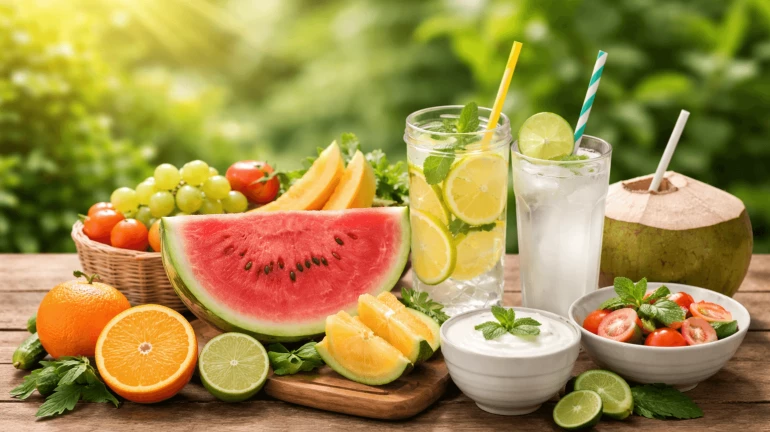


With summer temperatures rising across Mumbai, health experts are advising citizens to pay closer attention to their diet and hydration habits to avoid dehydration and heat-related illnesses. Increased heat leads to excessive sweating, causing the body to lose water and essential electrolytes, which can result in fatigue, headaches, dizziness, and dehydration if not managed properly.
According to Mrinali Dwivedi, Clinical Nutritionist at Apex Group of Hospitals, hydration should be the top priority during summer months. “During summer, the body loses a significant amount of fluids through sweat. People should aim to drink at least 2.5 to 3 liters of water daily. Natural drinks like coconut water, buttermilk, and lemon water are excellent because they help replenish both fluids and electrolytes,” she said.
Eat Light, Eat Right – Let Your Diet Fight the Heat
Nutrition experts, including Mrinali Dwivedi from Apex Group of Hospitals, recommend including water-rich seasonal fruits and vegetables in daily meals. Fruits such as watermelon, muskmelon, oranges, sweet lime, and grapes help keep the body cool and hydrated while providing essential vitamins. Vegetables like cucumber, bottle gourd, ridge gourd, and sponge gourd are light, easy to digest, and ideal for summer diets. Experts advise limiting deep-fried, spicy, and heavily processed foods during hot weather, as these foods can increase body heat and make digestion more difficult. Packaged drinks high in sugar and caffeine should also be avoided, as they may contribute to dehydration rather than prevent it.
Small Meals, More Energy – The Smart Summer Eating Rule
Eating small, frequent meals instead of heavy portions can help maintain energy levels throughout the day. Adding curd, buttermilk, fruits, and fresh salads to daily meals can support digestion and help the body stay cool. Heat stroke is another major concern during peak summer. Symptoms include dizziness, severe headache, nausea, and weakness. Preventive steps such as staying hydrated, avoiding direct sunlight during afternoon hours, and wearing light cotton clothing can significantly reduce the risk, explains Mrinali Dwivedi, Clinical Nutritionist at Apex Group of Hospitals. Health experts emphasize that simple lifestyle and diet adjustments can help people stay healthy, energized, and safe during the summer season.


 Share
Share Tweet
Tweet