

The ongoing tensions in West Asia, particularly around the Strait of Hormuz, are beginning to ripple through global supply chains, with visible effects on India’s real estate sector—especially in Mumbai.
Industry experts note that developers are currently facing shipment delays of 10–20 days as vessels take longer alternative routes. This disruption has pushed up shipping costs by ₹1.5–3.5 lakh per container, adding pressure to both ongoing and upcoming projects.
According to an analysis by ANAROCK, rising logistics costs are translating into higher construction expenses, which are expected to impact property prices—especially in premium micro-markets such as South Mumbai, Bandra-Kurla Complex (BKC), Worli, and Lower Parel. These areas, dominated by high-rise and ultra-luxury developments, are likely to see the sharpest price increases.
Steel prices have surged nearly 20% to around ₹72,000 per tonne, increasing construction costs by approximately ₹50 per sq ft in Mumbai—India’s largest high-rise market. Other materials are also witnessing significant price hikes. Aluminium has climbed to about ₹3.5 lakh per tonne amid supply disruptions in Gulf countries, while bitumen remains elevated at ₹48,000–51,000 per tonne. The cost of hot rolled coil is currently between ₹51,000 and ₹56,000 per tonne and may reach ₹62,000 by June if the situation persists. Even imported luxury materials like Italian marble have become costlier by ₹50–150 per sq ft due to higher logistics expenses.
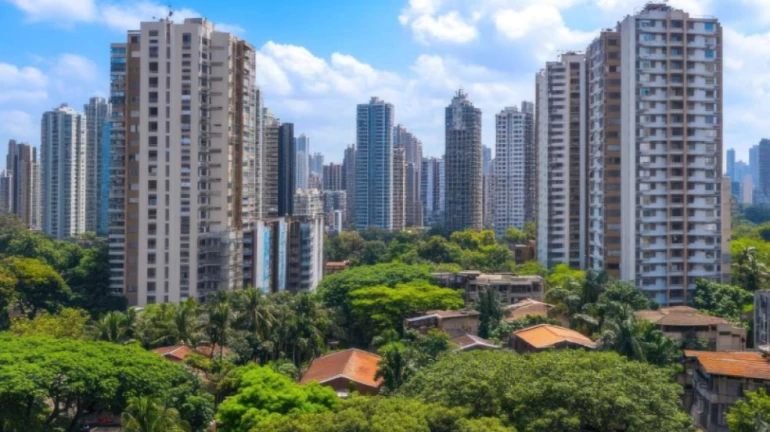
These cost pressures are particularly significant in the Mumbai Metropolitan Region (MMR), which has over 5,500 high-rises and more than 300 skyscrapers, making it the country’s hub for ultra-luxury housing. Homes priced above ₹40 crore saw 59 transactions worth approximately ₹4,754 crore in 2024, with Mumbai accounting for nearly 88% of both volume and value.
Despite these challenges, industry leaders remain optimistic about the sector’s resilience.
Prashant Sharma, President of NAREDCO Maharashtra, emphasized that the current situation should be viewed in a broader perspective. "While rising material and logistics costs are creating short-term challenges, Mumbai’s real estate market continues to show strong fundamentals driven by urbanization, sustained demand, and supportive government policies. The marginal increase in property prices—around ₹50 per sq ft—is a direct reflection of higher input costs caused by global supply chain disruptions. However, he described these challenges as temporary, noting that developers are adapting through better project planning, improved supply chain management, and cost-efficient construction methods," he added.
Echoing similar views, Shraddha Kedia Agarwal, Director at Transcon Developers, said: "The increase in input costs highlights the evolving nature of global supply chains and their influence on real estate. She noted that the price adjustments indicate the market’s ability to absorb external shocks while maintaining steady growth."
Agarwal further pointed out that the current phase is encouraging developers to adopt smarter procurement strategies, optimize timelines, and strengthen collaborations to minimise disruptions. She also highlighted that "today’s homebuyers are more focused on quality and value, pushing the industry toward higher standards of delivery and transparency. Overall, while cost pressures persist, experts believe this period presents an opportunity for the sector to innovate, improve efficiency, and build a more resilient and future-ready real estate ecosystem."
Meanwhile, rising costs are not a new phenomenon. Over the past four years, construction costs in cities like Mumbai and Delhi have increased by as much as 39%, now averaging around ₹2,780 per sq ft for mid-to-luxury skyscrapers. Labour costs—typically accounting for 25–35% of total project expenses—have also risen by 25–40% due to shortages of skilled workers and wage inflation.
Despite these headwinds, strong demand—particularly from non-resident Indians (NRIs), who contribute over 30% of sales in luxury projects—continues to support the market’s long-term growth trajectory.


 Share
Share Tweet
Tweet