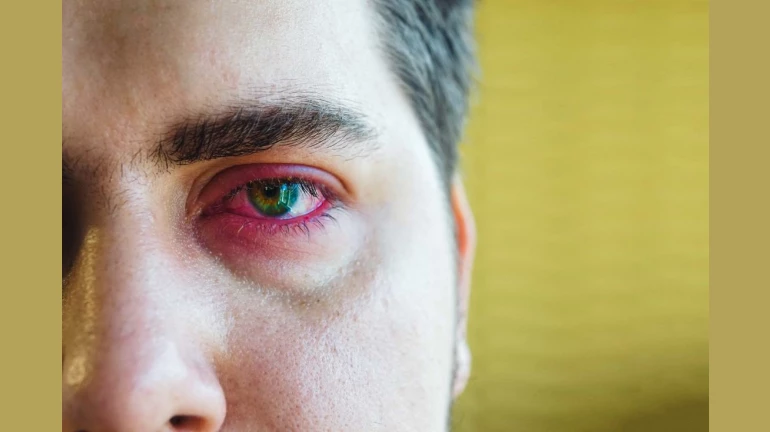


Every year, once the first showers hit the city, Mumbai witnesses a gradual surge in eye diseases in June and July. Civic health records have shown this pattern before.
Last year, the municipal health authorities reported that conjunctivitis cases across the city rose three-fold within just two weeks, and several major hospitals were seeing 15 to 20 fresh cases a day.
However, it also doesn't affect everyone equally. A multicentric clinical study on epidemic conjunctivitis found that 94% of affected patients had both eyes involved rather than just one, and that the 19 to 49 age group made up more than half of all cases, with children under 18 close behind.
This usually means working adults who commute through crowded trains and buses, and school going children who share desks and stationery, are the first to walk in.
"We see this same seasonal spike play out in our own clinics year after year. It's why we treat conjunctivitis as the defining eye complaint of Mumbai's rainy season," says Dr Sonal Desai, Cataract, Cornea and Refractive surgeon, Dr Agarwals Eye Hospital, Kalyan. She further shares insights on symptoms, prevention, treatments for the same.
Humidity and standing water give viruses and bacteria the conditions they need to survive on surfaces like door handles, railings, shared towels and cosmetics. The infection spreads through direct contact with an infected person's hands or belongings, and that's exactly why it moves so quickly through homes, schools and offices.
Redness, watering, itching, a gritty or foreign body sensation, sticky discharge (often noticed first thing in the morning), and sensitivity to light are the usual signs. Pain or blurred vision are not typical of simple conjunctivitis, and if you notice either, you should see an ophthalmologist right away, since they can point to something deeper going on with the cornea.
Wash your hands often and try not to rub your eyes, even when they itch. Avoid sharing towels, pillowcases or eye makeup. If you wear contact lenses, don't use them during floods or heavy rain, never rinse them with tap water, and always use fresh sterile solution. If you or your child comes down with symptoms, staying home for a few days really does help stop it from spreading further.
Most viral conjunctivitis clears up on its own within about a week, and lubricating drops along with cold compresses can help ease the discomfort. Bacterial cases need a prescribed antibiotic drop, not something picked up over the counter. One thing I always tell my patients: never self-medicate with steroid eye drops. They can quietly make an infection worse instead of better, and by the time that becomes obvious, the damage is harder to undo.


 Share
Share Tweet
Tweet