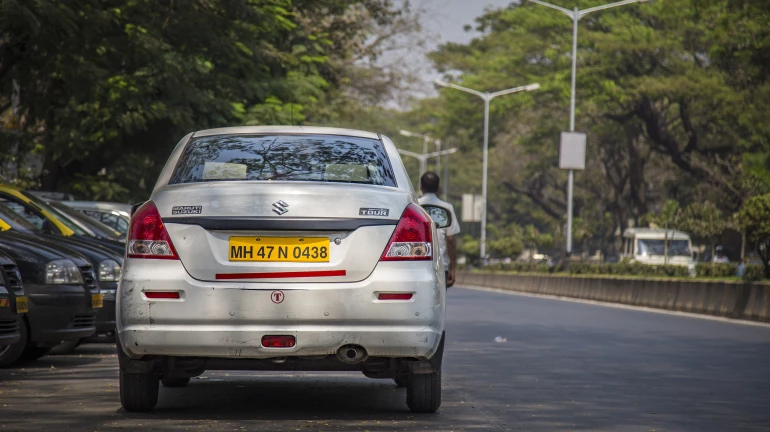


Severe disruptions to daily travel were reported across Mumbai following a nationwide, one-day strike by app-based cab and auto-rickshaw drivers on Saturday. The absence of aggregator services was widely felt, particularly by commuters travelling long inter-suburban distances and those heading to the airport. Throughout the day, mobility across the city was affected as passengers struggled to secure rides or encountered significantly higher fares.
Although traditional meter-based auto-rickshaws were observed to be operational across most neighbourhoods, the lack of app-based services was reported to have altered travel patterns. Inter-suburban routes, which are typically serviced by aggregators due to their relatively lower and more predictable pricing, were described as especially impacted. Passengers attempting to book rides through digital platforms reportedly faced repeated failures and prolonged wait times.
In several instances, fares displayed on ride-hailing applications were said to be nearly double the usual rates. However, even at these increased prices, ride confirmations were reportedly not forthcoming. As a result, many commuters were left stranded or were forced to walk considerable distances in search of alternative transport.
Airport-bound passengers were among those most affected by the strike. Reports indicated that several travellers, unaware of the planned protest, spent extended periods attempting to book rides. The uncertainty surrounding ride availability reportedly caused stress, prompting some passengers to switch to meter-based rickshaws or other transport options to avoid missing scheduled flights.
The strike was organised by driver unions to protest against what were described as persistent regulatory failures. Concerns were raised over the continued operation of illegal bike taxi services, which were said to function without adequate safety standards, insurance coverage, or accountability. Union representatives stated that such practices posed risks to both drivers and passengers while undermining regulated transport services.
Fare-related grievances were also highlighted during the protest. It was stated that existing fare structures had not been updated to reflect rising fuel prices, vehicle maintenance costs, permit fees, and other operational expenses. At the same time, aggregator commissions were described as remaining high, placing additional financial pressure on drivers.
Further strain was reportedly caused by safety compliance requirements, particularly those related to panic button devices. Drivers were said to be facing significant expenses to replace devices that were previously approved but later declared unauthorised at the state level. For daily wage earners, these costs were described as financially burdensome.
By the end of the day, app-based transport services remained limited across the city. Commuters continued to rely largely on meter-based auto-rickshaws, often at higher costs for longer journeys. No immediate response or clarification was issued by major ride-hailing companies regarding the strike or the concerns raised by driver unions.


 Share
Share Tweet
Tweet