

Mumbai may soon introduce an AI-powered tourist footfall monitoring system at some of its busiest tourist and religious destinations as part of a pilot project proposed by the Brihanmumbai Municipal Corporation (BMC). The initiative aims to improve crowd management, public safety, and civic service delivery through real-time data analysis.
The proposal, submitted by BJP corporator Tajinder Singh Tiwana, will be presented at the next General Body meeting for approval. If cleared, the project will use artificial intelligence integrated with the city's existing CCTV network at five major locations to monitor visitor numbers, crowd density, and movement patterns.
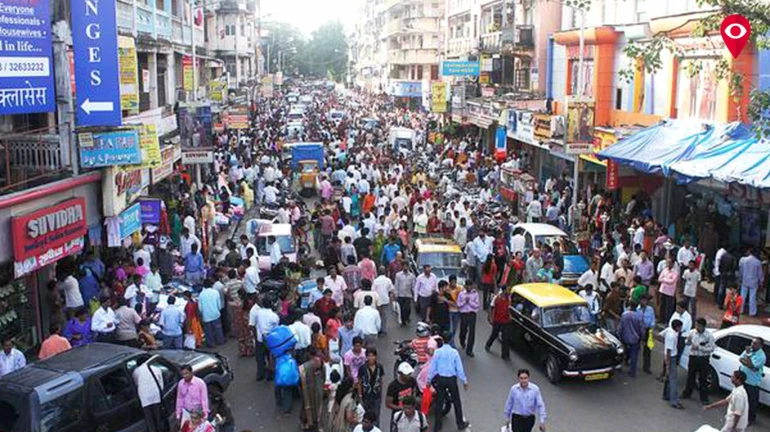
The move comes amid growing concerns over managing large gatherings during major festivals such as Ganeshotsav and Navratri, when millions of devotees and tourists visit Mumbai's popular religious and cultural sites. The city’s beaches, heritage landmarks, markets, and places of worship attract significant footfall throughout the year, creating challenges for civic authorities responsible for maintaining public amenities and safety.
By generating real-time insights, the proposed system is expected to help municipal agencies deploy resources more effectively. Authorities would be able to adjust sanitation services, drinking water facilities, public toilets, traffic management measures, and emergency response teams based on actual crowd conditions rather than estimates.
According to Tiwana, access to live crowd data could help prevent overcrowding and reduce the risk of accidents or stampedes during peak periods. The technology may also support better coordination between civic, transport, and emergency departments during large-scale events.
Beyond immediate operational benefits, the data collected could contribute to long-term urban planning. Information on visitor trends, pedestrian movement, and infrastructure usage would help policymakers make informed decisions on transport connectivity, public amenities, accessibility improvements, and future development projects.
Urban experts note that AI-driven crowd analytics are increasingly being adopted by cities worldwide to improve public space management and enhance visitor experiences. However, they also stress the importance of establishing clear guidelines for data privacy, transparency, and information security to maintain public trust.
If approved by the General Body, the proposal will be forwarded to Municipal Commissioner Ashwini Bhide for administrative review. The pilot project's outcomes will determine whether AI-based crowd monitoring becomes a permanent component of Mumbai’s broader smart city initiatives.
The proposal reflects a growing shift toward data-driven governance, where technology is used to create safer, more efficient, and responsive urban environments while improving the overall experience for residents and visitors alike.


 Share
Share Tweet
Tweet