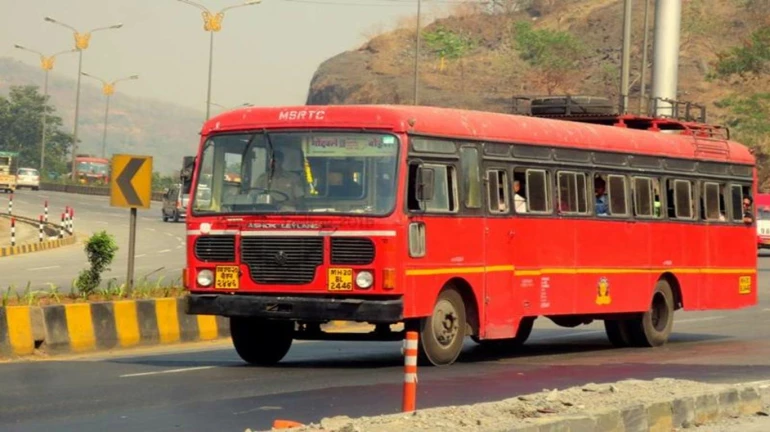


The Maharashtra State Road Transport Corporation (MSRTC) has announced a series of major initiatives aimed at modernising public transport, improving passenger convenience, and increasing transparency in service delivery across the state.
Transport Minister and MSRTC Chairman Pratap Sarnaik made the announcements at the corporation's headquarters in Mumbai.
Starting August 1, passengers availing travel concessions on MSRTC buses will be required to use the National Common Mobility Card (NCMC).
Who Will Need the Card?
In the first phase, the rule will apply to:
The requirement will later be extended to other concession categories in a phased manner.
Why Is the Rule Being Introduced?
MSRTC currently offers around 35 types of travel concessions, including benefits for:
According to the corporation, cases of people using fake identity cards and forged documents to claim concessions have been increasing. The NCMC-based digital verification system is expected to:
The NCMC rollout has already seen significant participation across Maharashtra.
Commuters Data:
Passengers can obtain their cards from these centres.
The Transport Minister also warned that strict action would be taken against centres found charging applicants more than the prescribed fee.
The NCMC Smart Card is being introduced under the "One Nation, One Card" initiative.
What Can the Card Be Used For?
With a single card, users will be able to:
Linking with Identity Documents
The card will be integrated with:
In a significant development for urban commuters, the state government is expected to unveil its long-awaited bike taxi aggregator policy next week.
The policy aims to:
Sarnaik stated that any extension for petrol-powered bike taxis would require Cabinet approval.
The announcement comes amid ongoing legal and regulatory disputes over bike taxi operations in Maharashtra.
Recently:
Sarnaik also alleged that some platforms reimbursed riders for penalties imposed by transport authorities, effectively shielding them from enforcement action.
MSRTC has reaffirmed its commitment to fleet modernization through the expansion of electric and air-conditioned buses.
Long-Term Goal
The corporation plans to gradually transition towards a fully electric bus fleet by 2035.
Progress So Far
The move is expected to reduce fuel costs while enhancing passenger comfort.
MSRTC will conduct a review of routes with:
The objective is to improve operational efficiency and optimise resource utilisation.
Essential Services to Continue
The minister clarified that services catering to:
will continue to receive protection and support.
The Maharashtra government has taken an in-principle decision to shut down transport check posts across the state.
The move is expected to:
MSRTC employees will receive a Dearness Allowance (DA) increase, bringing them on par with state government employees.
Employee Benefits Announced
MSRTC's latest announcements mark one of the most significant public transport reform packages in recent years. From mandatory smart cards and bike taxi regulation to electric bus expansion and employee welfare measures, the initiatives are aimed at creating a more transparent, technology-driven, and passenger-friendly transport system across Maharashtra.


 Share
Share Tweet
Tweet