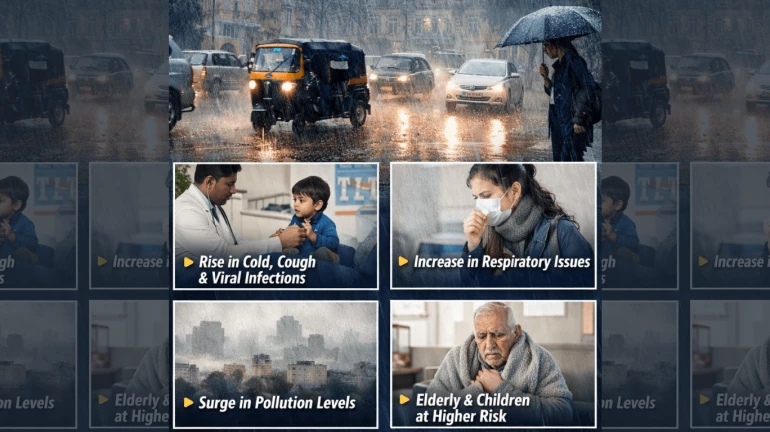


Mumbai, Thane, and surrounding regions are facing an unexpected public health challenge as unseasonal monsoon-like rainfall on January 1, 2026, has created favorable conditions for the spread of mosquito-borne diseases. While large-scale waterlogging has not been reported, stagnant water in open areas, terraces, construction sites, flower pots, and uncovered containers has become a growing concern for health authorities.
Already Mumbaikars are facing cough, congestion and other seasonal illnesses during winter, say doctors. The drop in temperature and dry air are triggering throat infections, sinus problems and breathing discomfort.
People with asthma, allergies and chronic respiratory diseases are experiencing worsening symptoms. Rising air pollution levels in the city are further aggravating cough and chest congestion.
Medical experts warn that even small collections of stagnant water are sufficient for mosquito breeding, increasing the risk of Malaria, Dengue, and Chikungunya—diseases usually associated with the monsoon season. The sudden shift in weather, combined with higher humidity levels, has caught many citizens unprepared, potentially leading to a spike in infections.
Dr. Jinendra K. Jain, Consultant Diabetologist and Physician at Wockhardt Hospitals, Mira Road, emphasized the seriousness of the situation.
“Unseasonal rainfall in January is concerning because people generally lower their guard against mosquito-borne illnesses during winter. Even minimal stagnant water can become breeding grounds for mosquitoes, leading to a rise in Dengue, Malaria, and Chikungunya cases,” said Dr. Jinendra Jain from Wockhardt Hospitals, Mira Road.
He further explained that fluctuating temperatures and increased moisture in the environment weaken immunity and contribute to viral and bacterial infections. “We are seeing patients reporting fever, body pain, fatigue, headaches, and dehydration. Patients with diabetes, compromised immunity, elderly individuals, and children are particularly vulnerable. In diabetics, infections can disturb sugar control and prolong recovery,” Dr. Jain added.
The unseasonal rain has also affected daily life in Mumbai, Thane, and nearby cities by increasing humidity levels, impacting sanitation, and accelerating mosquito breeding cycles in residential and commercial areas. Experts stress that ignoring these early warning signs could lead to a larger public health burden in the coming weeks.
Doctors advise citizens to adopt preventive measures such as regularly checking for stagnant water, keeping surroundings dry, using mosquito repellents, installing window screens, and wearing protective clothing. Prompt medical attention is recommended if symptoms like persistent fever, joint pain, or weakness develop.


 Share
Share Tweet
Tweet