

Transport unions across Maharashtra announced a statewide indefinite strike starting from Friday, March 5. The protest is being organised by the Maharashtra Transporters Action Committee (M-TAC). The strike comes after complaints over the e-challan system, high transportation taxes, and toll charges.
In response, Maharashtra Transport Minister Pratap Sarnaik urged transport unions around the state to call off the strike. Speaking outside the Vidhan Bhavan over the truckers' protest call, Sarnaik stated that the government is working to communicate with all relevant organisations and use dialogue to address their issues.
Unions Participating in the Strike
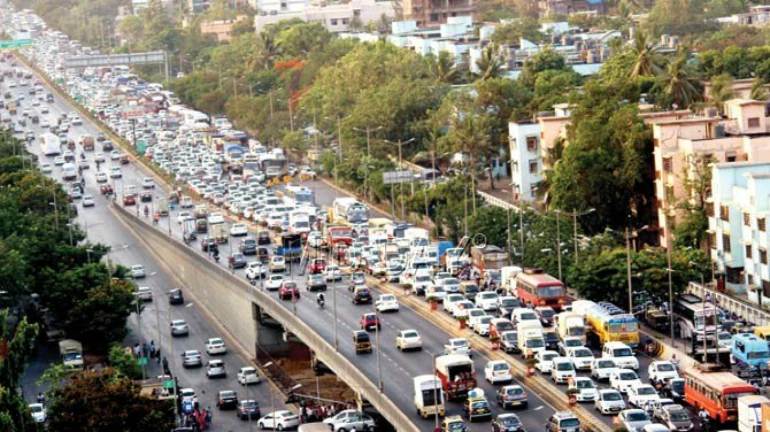
M-TAC represents truck owners, bus associations, taxi unions, tempo drivers, and auto-rickshaw groups. These organisations manage thousands of commercial vehicles across the state. The walkout could affect both daily commuters and goods movement in cities like Mumbai and Pune.
* The School Bus Owners Association stated that school bus services in Maharashtra would not be impacted on Thursday, but they cautioned that if the indefinite strike continues, they would cease operations on Friday.
* The Western India Automobile Association (WIAA), representing 80,000 private car owners, has supported the protest due to issues with the e-challan system.
* The Mumbai cab and auto-rickshaw drivers’ union said its members will not join the strike.
Issues Put Forward by Unions
The e-challan system is the biggest issue. Union leaders say it has become a burden for drivers, as automated fines are imposed without proper checks. Owners of vehicles are often blamed for violations, even when drivers are at fault. They also oppose a planned rule requiring carriers to clear e-challans within 45 days could be removed or relaxed.
Union representatives say the strike shows frustration in the transport sector. They highlight rules like “No Entry” for goods vehicles in city areas, which they say are made without consulting stakeholders. These rules can delay cargo movement and affect logistics operations.
Transporters have also raised concerns about infrastructure. They point out that most cities lack dedicated parking for commercial vehicles. This creates problems for drivers. High toll costs are another issue. Operators say they pay state and federal taxes but also extra tolls on Build-Operate-Transfer (BOT) roads. This adds to operating expenses.
Talks with the Government at Deadlock
Earlier this year, rule changes proposed that transporters may be subject to limitations on permit renewals, vehicle fitness certification, and other regulatory permits if they fail to pay penalties within the allotted time frame.
Union officials said that both regular car owners and business operators have suffered as a result of the scheme. Additionally, they referenced legal rules under Rules 468 and 514 of the Code of Criminal Procedure, arguing that if cases are not submitted in court within the allotted time, time-barred e-challans should be annulled.
After this, unions started conversations with the government, but discussions failed with the Maharashtra Transport Commissioner’s office on Wednesday. Now, transporters are expected to protest at Azad Maidan in Mumbai. Demonstrations will also be held outside Regional Transport Office (RTO) buildings across the state. Organisers have warned drivers to avoid protest hotspots.


 Share
Share Tweet
Tweet