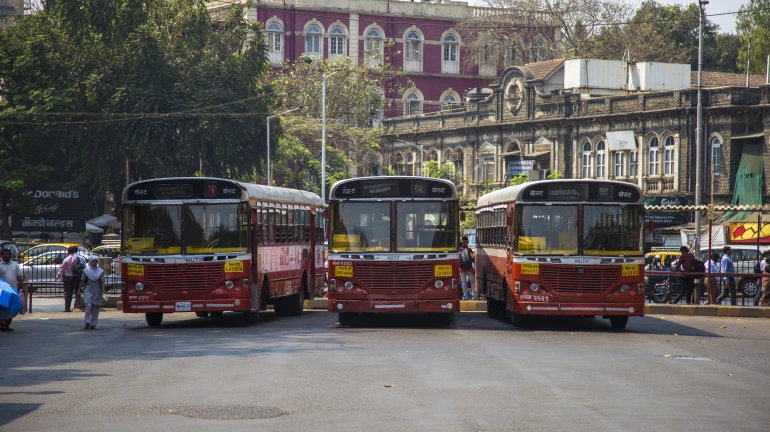


In a move aimed at enhancing passenger safety and curbing negligent driving practices, the Brihanmumbai Electric Supply and Transport (BEST) undertaking has introduced a surprise inspection campaign targeting drivers of wet-lease buses. The initiative comes in the wake of the recent fatal bus accident in Dadar, which raised fresh concerns about driver conduct and oversight.
As part of the campaign, officers and senior staff members from all 27 BEST depots have begun traveling on buses in plain clothes, posing as regular passengers. Their role is to discreetly observe drivers and document any violations of operational and safety guidelines.
The inspection teams will closely monitor several aspects of driver behavior, including whether drivers maintain proper seating posture, remain attentive while driving, engage in unnecessary conversations with conductors or passengers, or use mobile phones and earphones while operating the vehicle. Officials have expressed concern over reports that some drivers have been seen talking on phones, watching videos, or using headphones during duty hours.
According to BEST officials, wet-lease drivers receive detailed training on safety protocols and are expected to remain fully focused on road conditions, surrounding vehicles, and pedestrians. The undercover inspections are intended to ensure that these standards are consistently followed.
The decision follows Monday’s accident near Plaza Cinema in Dadar, where an electric wet-lease bus operating on Route A-463 reportedly lost control and crashed into multiple vehicles. The incident claimed the life of a delivery executive and left six others injured. Preliminary findings suggest that human error may have contributed to the accident.
Officials said that every violation identified during the surprise checks will be documented in a detailed report. Based on the findings, disciplinary action may be taken not only against the driver but also against the private operator responsible for employing them.
The incident has once again brought scrutiny to BEST’s wet-lease model, under which private contractors provide buses and drivers while BEST manages routes and ticketing operations. Critics argue that inadequate driver training and weak supervision have been recurring issues behind several serious accidents involving contracted buses.
Recent incidents have intensified these concerns. In December last year, four people lost their lives after a wet-lease bus struck pedestrians in Bhandup while reversing. Earlier, in Kurla, a runaway bus caused one of the city’s deadliest transport accidents, killing nine people and injuring dozens.
BEST committee member Ajay Singh has called for a review of the current maintenance system for contracted buses. He argues that private operators often fail to maintain vehicles adequately and has proposed that maintenance responsibilities be transferred to BEST’s engineering department. Under his proposal, private operators would pay the undertaking a service fee for repair and upkeep.
Singh also highlighted that BEST currently operates only around 249 self-owned buses, raising concerns about oversight and accountability across its largely outsourced fleet. He believes that stronger supervision, coupled with improved maintenance standards, is essential to restoring public confidence in Mumbai’s bus services.
BEST hopes that the undercover inspection initiative will encourage greater discipline among drivers and contribute to safer and more reliable public transport operations across the city.


 Share
Share Tweet
Tweet