

A fresh wave of political criticism has been directed at the Maharashtra government as concerns have been expressed over the continued absence of a Leader of Opposition (LoP) in both Houses of the state legislature. It has been conveyed through political commentary that such a situation has not previously been witnessed in the state’s history, and it has been suggested that the development may compromise the robustness of democratic functioning within the Assembly.
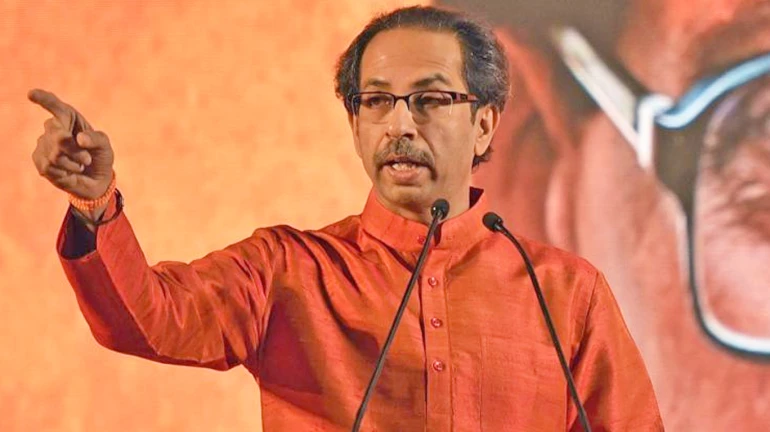
The issue was highlighted when observations attributed to Shiv Sena (UBT) leader Uddhav Thackeray were reported. It was indicated that the functioning of the Houses without a formal Opposition leader was being viewed as a serious deviation from democratic norms. It was also stated that if legal or procedural grounds were being cited for delaying the LoP appointment, a similar rationale could be extended to positions such as that of the deputy chief minister, which, as pointed out by critics, do not hold a constitutional mandate.
It has been suggested that the government’s reluctance to fill the LoP post is being interpreted as a sign of political apprehension. Reports have noted that the demand for the appointment had been raised in the very first session of the Assembly, yet nearly a year has elapsed without any progress. The ruling coalition has been accused of relying on official statements and public messaging rather than addressing the core issue, which, according to observers, has intensified public debate around the government’s accountability.
Further concerns have been expressed regarding the internal dynamics of the Mahayuti coalition. It has been stated that the BJP’s influence over its allies is being perceived as disproportionately strong, with comparisons being drawn to an “anaconda strategy” through which partner parties are gradually overshadowed. The role of Chief Minister Devendra Fadnavis has been mentioned in this context, with suggestions that key decisions across the coalition are being guided or influenced by him, thereby reducing the operational independence of allied parties.
Electoral preparedness has also been called into question, particularly with regards to alleged inconsistencies in voter lists across major cities such as Mumbai. Thackeray’s remarks have been cited in which suggestions were made for the Supreme Court to intervene to ensure fairness in the upcoming local body elections, which have been mandated for completion by January 31.
In addition, criticism has been levelled at the government for delays in processing proposals related to relief for farmers affected by heavy rains. It has been reported that such delays may postpone the disbursement of necessary financial aid, and the situation has been further highlighted by remarks from the Union Agriculture Minister, which have been interpreted as exposing administrative shortcomings.
Concerns have lastly been expressed regarding a perceived shift from governance toward election manipulation. It has been suggested that while electoral interference once centred on booth-level actions, it is now viewed as extending across the broader election framework, raising questions about the integrity of democratic processes in the state.


 Share
Share Tweet
Tweet